


What Programming a Robotic Lawn Mower Really Means
When people ask how to program a robotic lawn mower, they are usually not talking about coding or technical scripts. Programming a robotic lawn mower means configuring how the mower understands your lawn, how it moves, when it works, and how it reacts to real-world conditions.
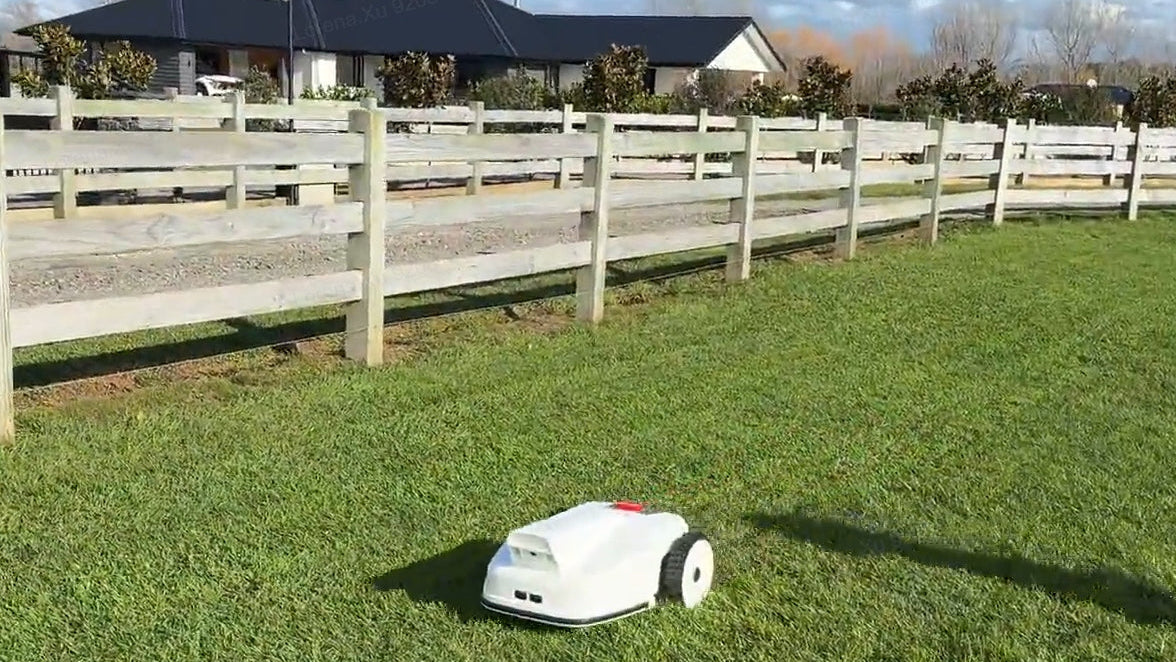
A modern robotic lawn mower is an autonomous robot designed to handle routine lawn care tasks automatically. Through proper programming, an automatic lawn mower robot can maintain a consistent cutting height, cover the entire yard efficiently, avoid obstacles, and return to its charging station without human intervention.
With today’s technology, programming has become far more intuitive. Whether you are using a residential robot lawn mower for a small garden or a professional robotic lawn mower for large lawns, the core principles remain the same.
Why Proper Programming Matters for Robotic Lawn Mowers
Programming directly impacts performance, efficiency, and lawn appearance. A poorly programmed robot lawn mower may miss areas, repeat paths unnecessarily, or struggle with slopes and obstacles.
Correct programming helps:
- Improve mowing efficiency and coverage
- Reduce battery consumption
- Protect the mower from unnecessary wear
- Keep grass healthy and evenly cut
- Adapt the mower to different lawn sizes and terrain types
For users investing in an electric robot lawn mower or battery powered robot lawn mower, programming ensures you get the most value from the machine.
Understanding Different Robotic Lawn Mower Technologies
Wire-Based vs Wire-Free Robot Lawn Mowers
Traditional robotic lawn mowers use perimeter wire systems to define mowing areas. Programming includes calibrating the guide wire robot lawn mower path and adjusting boundary sensitivity.
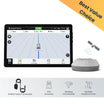
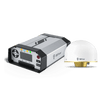
Newer wireless robot mower systems remove this complexity. A robot lawn mower no wire or robot lawn mower without perimeter wire relies on GPS, RTK robot mower positioning, camera vision, or LiDAR robot mower sensors to understand boundaries digitally.
Wire-free robot lawn mower systems allow:
- Faster setup
- Virtual boundary adjustments
- Easier reprogramming when yard layout changes
These systems are especially popular for modern robotic lawn mower buyers who want flexibility and minimal installation work.
Step-by-Step Guide: How to Program a Robotic Lawn Mower
Step 1: Preparing Your Lawn for Programming
Before starting any programming, prepare your lawn environment. This step is often overlooked but is critical for accurate mapping and navigation.
Recommended preparation:
- Remove loose objects, toys, branches, and garden tools
- Identify slopes, hills, and uneven ground
- Trim very tall grass before first use
This is particularly important for users with a robot lawn mower for rough terrain or robot lawn mower for hills.
Step 2: Installing and Positioning the Charging Station
Every robot lawn mower with charging station requires a stable and well-positioned base.
Key setup points:
- Place the charging station on flat ground
- Ensure easy access from the lawn
- Maintain good signal reception for GPS lawn mower robot systems
- Avoid placing it under dense trees or metal structures
Many users also install a robot lawn mower garage to protect the unit from weather exposure and improve long-term reliability.
Step 3: Connecting the Mower to the App or Control System
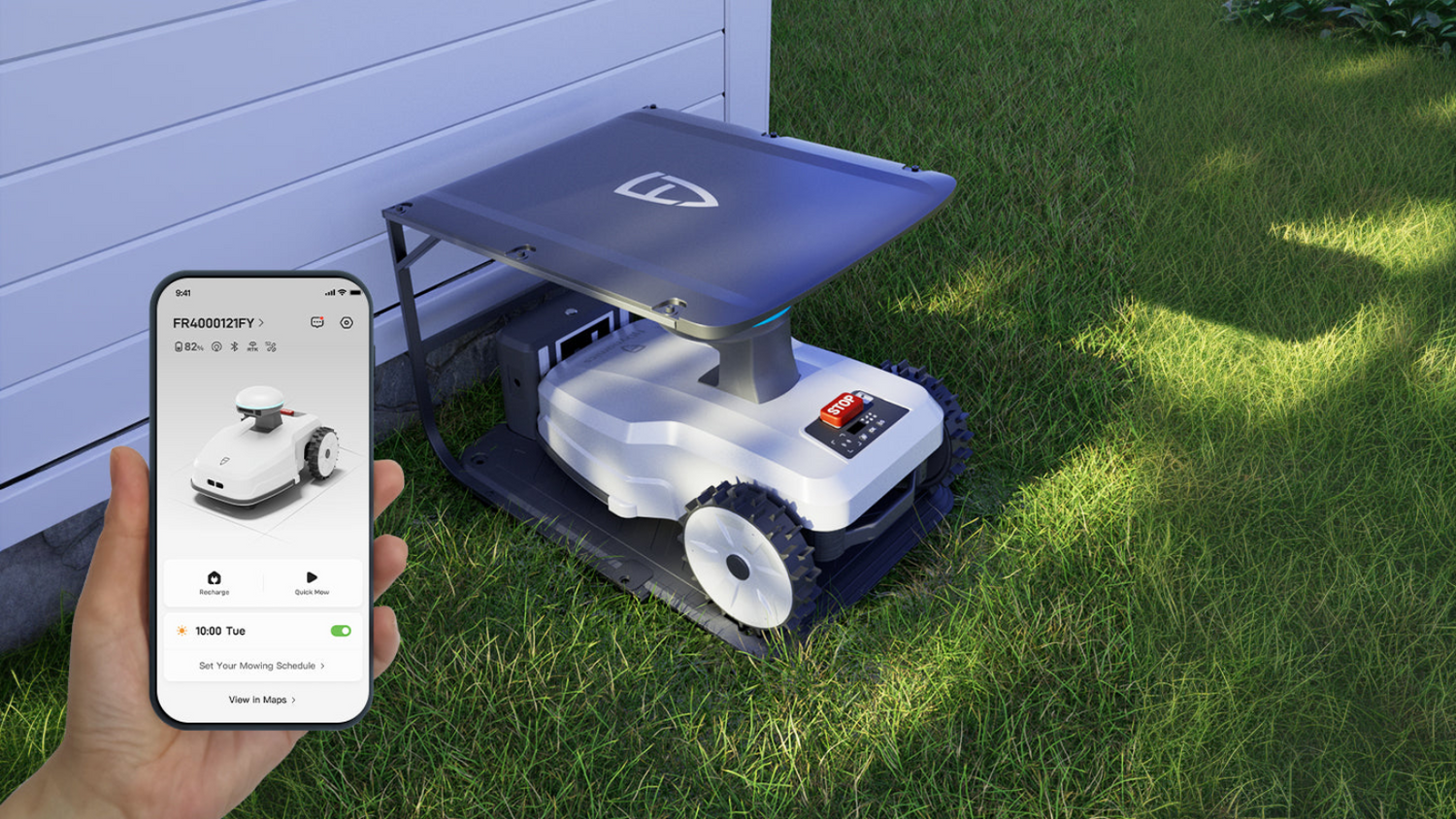
Most modern robotic lawn mowers use an app control robot mower interface. This is where the main programming happens.
Through the app, users can:
- Pair the mower with their device
- Update firmware
- Access mapping and control features
- Configure safety and security settings
This applies to both autonomous robot mower designs and more basic electric lawn mower robot models.
Step 4: Mapping the Lawn and Creating Virtual Boundaries
Creating Work Areas and Zones
One of the most important programming steps is defining where the robot should mow.
For wireless robot mower systems, this usually involves:
- Walking the mower around the lawn perimeter
- Creating virtual boundaries digitally
- Defining no-go zones for flower beds, pools, or trees
This step enables robot mower multiple zones functionality, allowing front and backyard areas to be managed separately.
Managing Different Lawn Sections
If your property includes multiple lawn areas, programming zones ensures efficient operation.
This is especially useful for:
- Robot lawn mower front and backyard layouts
- Large lawn robot mower setups
- Robotic lawn mower for large lawns or acreage robot mower users
Each zone can have its own mowing frequency and schedule.
Step 5: Setting Mowing Schedules and Working Times
Programming schedules is one of the main advantages of an automatic lawn mower robot.
Factors to consider:
- Lawn size
- Grass growth rate
- Seasonal changes
- Local weather conditions
A robot lawn mower for small yards may only need short daily sessions, while a robot lawn mower for 1 acre or robot mower for 2 acres requires longer run times.
Many users choose to run the mower multiple times per week to maintain consistent grass height.
Step 6: Adjusting Cutting Height and Mowing Behavior
Most electric robot lawn mower systems allow digital cutting height adjustment.
Best practices:
- Start higher for new lawns
- Gradually lower to desired height
- Use mulching mode if supported by the robot mulching lawn mower
Advanced self mapping robot lawn mower models may also allow pattern optimization, reducing random movement and improving efficiency.
Programming Advanced Features on Modern Robotic Lawn Mowers
Obstacle Avoidance and Navigation
A robot mower with obstacle avoidance uses sensors, cameras, or LiDAR to detect objects in its path.
During programming, users can:
- Adjust obstacle sensitivity
- Define stop or reroute behavior
- Enable safety shutdown options
This feature is especially important for homes with pets, children, or garden furniture.
Anti-Theft and Security Programming
Security is a growing concern for outdoor robot lawn mower users.
Common anti-theft robot mower features include:
- PIN code protection
- Alarm activation
- GPS tracking
- App-based locking
Programming robot mower theft prevention settings protects your investment and provides peace of mind.
Weather and Environmental Adaptation
Many modern robotic lawn mower systems include weather sensors or weather-based scheduling.
Users can program the mower to:
- Pause during heavy rain
- Resume after conditions improve
- Adjust mowing frequency seasonally
This helps protect both the mower and the lawn.
Programming for Different Lawn Types and Sizes
Small Yards and Compact Gardens
For a robot lawn mower small yard or mini robot mower:
- Short mowing cycles
- Simple zone setup
- Lower battery demand
These models are ideal for users seeking a small lawn mower robot with minimal complexity.
Medium to Large Residential Lawns
A robotic lawn mower for large lawns requires:
- Accurate mapping
- Multi-zone programming
- Reliable battery management
Large area robot mower users benefit most from GPS-based or RTK robot mower systems.
Hills, Slopes, and Uneven Terrain
If your lawn includes slopes, programming becomes more important.
For a robot lawn mower for steep hills or uneven ground:
- Enable slope detection
- Reduce speed on inclines
- Increase safety margins near edges
All terrain robot lawn mower designs are built to handle these challenges when programmed correctly.
Common Programming Mistakes to Avoid
- Overlapping schedules that drain the battery
- Ignoring slope limitations
- Setting cutting height too low
- Skipping firmware updates
Regular updates improve robotic mower technology and introduce new optimization features.
Maintenance Tips That Support Better Programming
Programming works best when the mower is well maintained.
Important maintenance tasks:
- Replace robot mower replacement blades regularly
- Clean sensors and cameras
- Check charging contacts
- Store the mower in a protected area when not in use
A well-maintained battery powered robot lawn mower follows programmed instructions more accurately.
Choosing the Right Robotic Lawn Mower Before Programming
If you are browsing a robotic mower store or looking for a robot lawn mower for sale, consider:
- Lawn size and layout
- Terrain complexity
- Wire-free vs wire-based systems
- Battery capacity
- App and smart features
From affordable robot lawn mower options to professional robotic lawn mower models, choosing the right machine simplifies programming and improves results.
Why Programming Is the Future of Lawn Care
As robotic mower technology continues to evolve, programming is becoming more intuitive and powerful. Modern autonomous robot mower systems learn from usage, adapt to environments, and deliver consistent results with minimal effort.
For homeowners seeking convenience and efficiency, a properly programmed robotic lawn mower is a smart investment that transforms lawn care into a fully automated process.
Final Thoughts on Programming a Robotic Lawn Mower
Learning how to program a robot lawn mower is not difficult, but it requires careful setup and thoughtful configuration. With correct boundary definition, scheduling, and feature customization, a robotic lawn mower becomes a reliable lawn care assistant that works quietly in the background.
Whether you are managing a small garden or a large property, proper programming ensures your lawn stays healthy, neat, and well maintained throughout the year.