



Robotic lawn mowers have rapidly become a popular solution for modern lawn care. As homeowners look for smarter, cleaner, and more efficient ways to maintain their yards, the robotic lawn mower has emerged as a reliable alternative to traditional mowing equipment. One of the most common questions people ask before adopting this technology is simple but important: how long does a robot lawn mower last?
The lifespan of a robotic lawn mower depends on multiple factors, including build quality, usage conditions, maintenance habits, and technological design. Whether used in a small backyard or across large lawns, a modern autonomous robot mower is engineered for long-term, consistent performance. Understanding what influences longevity can help set realistic expectations and highlight why robotic lawn mowers are increasingly viewed as long-term lawn care investments rather than disposable gadgets.
Average Lifespan of a Robotic Lawn Mower
On average, a well-maintained robotic lawn mower lasts between 5 and 10 years. Entry-level residential robot lawn mower models typically fall on the lower end of this range, while professional robotic lawn mower systems designed for large lawns or commercial use often exceed it.
The lifespan of an electric robot lawn mower is influenced by how frequently it operates and the complexity of the terrain it covers. A robot lawn mower for small yards that runs a few times a week will generally experience less mechanical stress than a large area robot mower managing multiple zones across uneven ground.
Battery-powered robot lawn mowers are designed for continuous, repetitive operation. Unlike traditional gas mowers that rely on human operation, automated lawn mower robots distribute workload over time, which helps reduce wear and tear on key components.
Key Components That Affect Robot Lawn Mower Longevity
Battery Life and Charging Cycles
The battery is one of the most critical components affecting how long a robotic lawn mower lasts. Most modern battery powered robot lawn mowers use lithium-ion batteries, which typically support 500 to 1,000 full charging cycles.
A robot lawn mower with self charging capability returns automatically to its charging station, ensuring consistent battery health. Over time, battery capacity may gradually decrease, but replacement batteries are widely available and significantly extend the overall lifespan of the machine.
Cutting System and Blades
Robot mower replacement blades are designed to be small, sharp, and easy to change. Frequent blade replacement reduces strain on the motor and ensures efficient cutting. A robot mulching lawn mower benefits from sharp blades that continuously trim grass into fine clippings, improving lawn health while reducing resistance during operation.
Motors and Drive System
Electric motors used in autonomous robot mowers are generally durable and low-maintenance. Compared to combustion engines, electric systems generate less heat and fewer vibrations. This contributes to longer service life, especially in cordless lawn mower robot designs.
Impact of Terrain and Lawn Size on Durability
Small Yards and Compact Gardens
A robot lawn mower for small yards or a small lawn mower robot typically experiences less operational stress. Flat terrain, limited obstacles, and shorter run times help preserve battery life and mechanical components.
Large Lawns and Multiple Zones
Robotic lawn mowers for large lawns are built with more powerful motors, enhanced navigation systems, and extended battery capacity. A robot mower for 2 acres or a robot lawn mower for 1 acre is designed to handle longer run times without overheating or excessive wear.
Advanced systems that support robot mower multiple zones ensure consistent coverage while minimizing unnecessary movement.
Uneven Ground and Slopes
A robot lawn mower for hills or a robot lawn mower for rough terrain must overcome additional challenges. Features such as all terrain robot lawn mower wheels, reinforced drive systems, and adaptive traction control help maintain long-term reliability on slopes and uneven ground.
Role of Navigation Technology in Extending Lifespan
Boundary Wire-Free and Wireless Systems
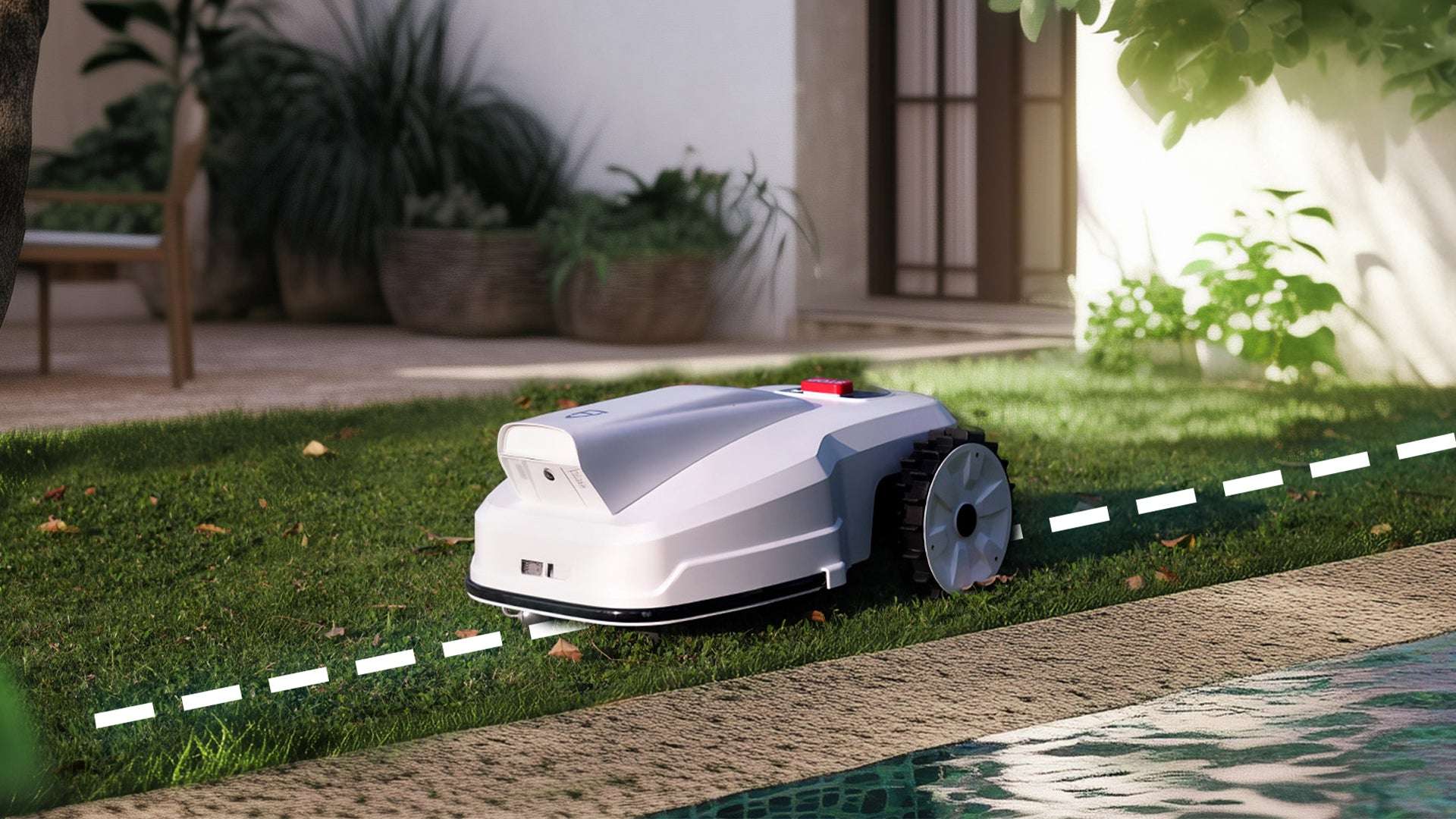
A robot lawn mower no wire configuration eliminates physical boundary cables that can degrade over time. Boundary wire-free robot mower systems rely on virtual boundaries, reducing installation complexity and long-term maintenance risks.
Wireless robot lawn mower solutions are particularly beneficial for properties that change layouts or require flexible mowing zones.
GPS, RTK, and Lidar Navigation
A robot lawn mower with GPS or an RTK robot mower achieves higher precision and more efficient path planning. Reduced overlap and optimized routes decrease operational hours, extending the lifespan of motors and batteries.
Lidar robot mower technology and robot mower with camera systems enhance obstacle detection and reduce collision-related wear.
Weather Resistance and Environmental Protection
A weather resistant robot lawn mower is designed to operate across seasons. Waterproof housings, sealed electronics, and corrosion-resistant materials protect internal components from moisture, dust, and debris.
Outdoor robot lawn mower systems with automatic weather detection can pause operation during heavy rain, further preserving mechanical and electronic parts.
Maintenance Habits and Long-Term Performance
Regular maintenance significantly extends the life of a robotic lawn mower. Simple actions such as cleaning the chassis, inspecting wheels, and replacing blades ensure optimal performance.
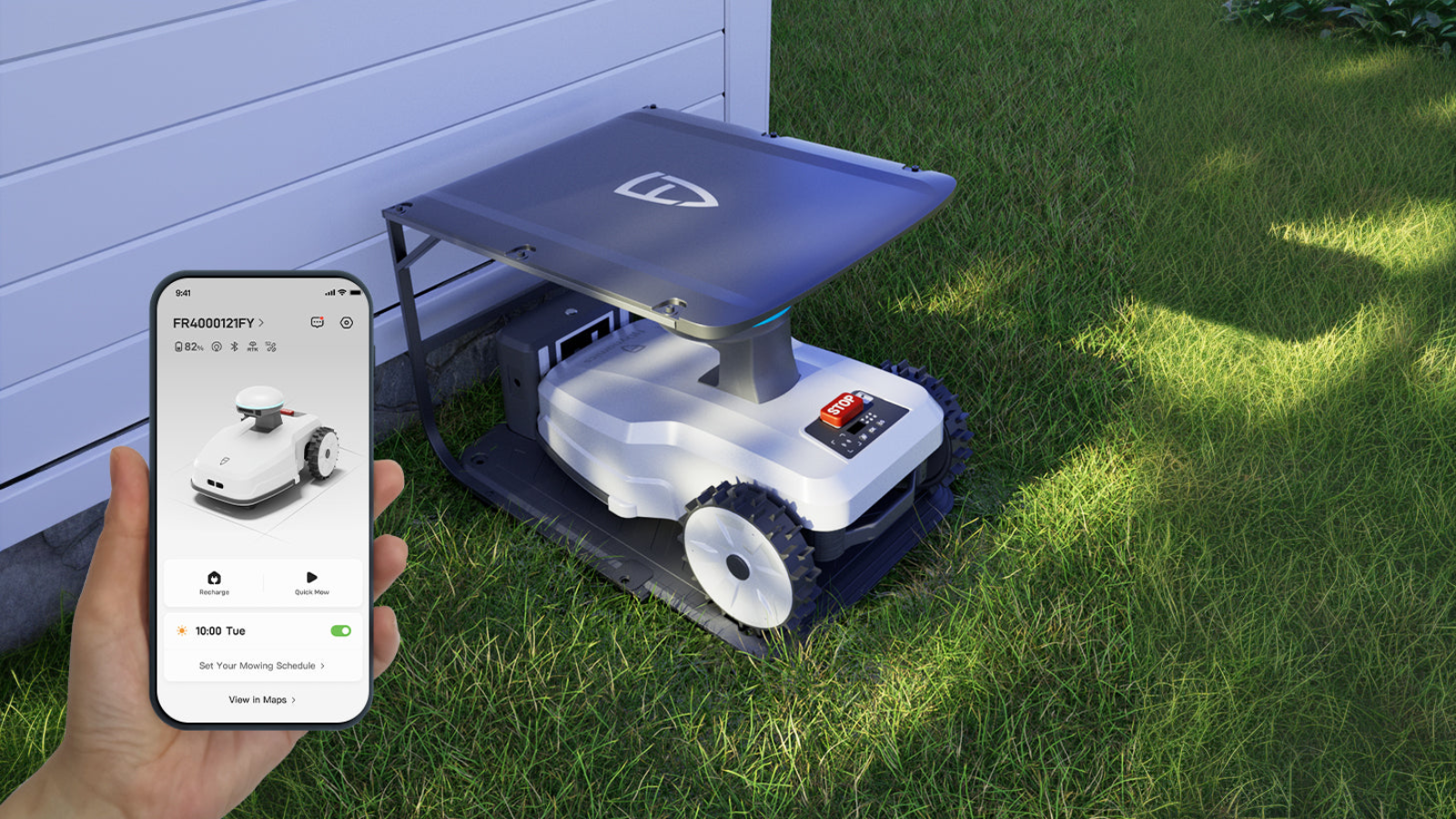
Unlike traditional mowers, a programmable robot lawn mower requires minimal hands-on servicing. App control robot mower systems often provide maintenance alerts, operating statistics, and diagnostic insights that help users address issues early.
Safety Features and Structural Integrity
Robot lawn mower safety systems protect both the machine and its surroundings. Robot mower with obstacle avoidance technology reduces impact damage, while lift and tilt sensors prevent motor strain.
Anti-theft robot mower features such as PIN codes, GPS tracking, and alarms also contribute indirectly to lifespan by preventing loss or misuse.
Importantly, modern robotic mowers are designed to be friendly to pets and wildlife. Precision sensors and intelligent detection help ensure that small animals are not harmed during operation.
Residential vs Commercial Robotic Lawn Mowers
A residential robot lawn mower is typically optimized for quiet operation, energy efficiency, and moderate usage. In contrast, a commercial robotic lawn mower or professional robotic lawn mower is built for extended daily operation, larger coverage areas, and higher durability standards.
Commercial-grade systems often use reinforced frames, industrial-grade motors, and higher-capacity batteries, resulting in longer operational life even under demanding conditions.
Cost Efficiency Over the Full Lifespan
When evaluating how long a robotic lawn mower lasts, it is also important to consider cost efficiency over time. An affordable robot lawn mower may offer several years of reliable service with minimal ongoing costs.
Electric lawn mower robot systems eliminate fuel expenses, reduce maintenance labor, and operate autonomously. Over a lifespan of several years, robotic lawn mowers often deliver better value compared to traditional equipment.
Technological Evolution and Software Updates
Robotic mower technology continues to evolve through software updates and system optimization. A self mapping robot lawn mower can improve navigation efficiency over time, reducing unnecessary movement and extending component lifespan.
Unlike mechanical-only devices, modern autonomous robot mowers benefit from continuous improvements without hardware changes.
Long-Term Ownership Experience
For many users, a robotic lawn mower becomes a permanent part of their outdoor routine. Features such as robot lawn mower garage storage, automatic docking, and quiet operation enhance usability while protecting the unit from environmental exposure.
Whether managing a front and backyard or a large residential property, a robot yard mower delivers consistent results season after season.
Final Thoughts: How Long Does a Robot Lawn Mower Last?
So, how long does a robot lawn mower last? With proper care and suitable operating conditions, most robotic lawn mowers provide 5 to 10 years of dependable service, and often longer for high-quality systems.
As robotic mower technology advances, lifespan continues to improve through better batteries, smarter navigation, and more resilient materials. For homeowners seeking a reliable, automated solution for lawn care, a modern robotic lawn mower represents a durable, long-term investment.
Exploring advanced robotic lawn mower systems through a dedicated robotic mower store allows users to experience the benefits of autonomous lawn care firsthand and understand how these machines are reshaping the future of outdoor maintenance.